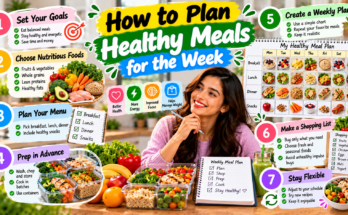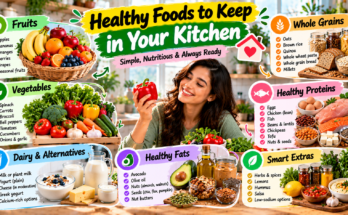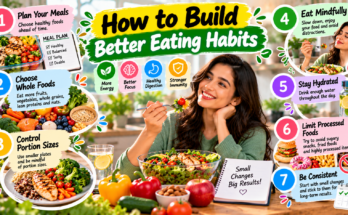
Adding more vegetables to my daily diet is one of the simplest ways I can make my meals more balanced and nutritious. Vegetables provide a variety of nutrients and can also add color, texture, and flavor to everyday meals. However, many people find it difficult to eat enough vegetables, especially when they have a busy schedule or prefer convenient foods.
In my experience, eating more vegetables does not require completely changing the way I eat. Small and practical changes can make vegetables a regular part of breakfast, lunch, dinner, and snacks. The key is to make vegetables easy to prepare and enjoyable to eat.
Start With One Extra Serving
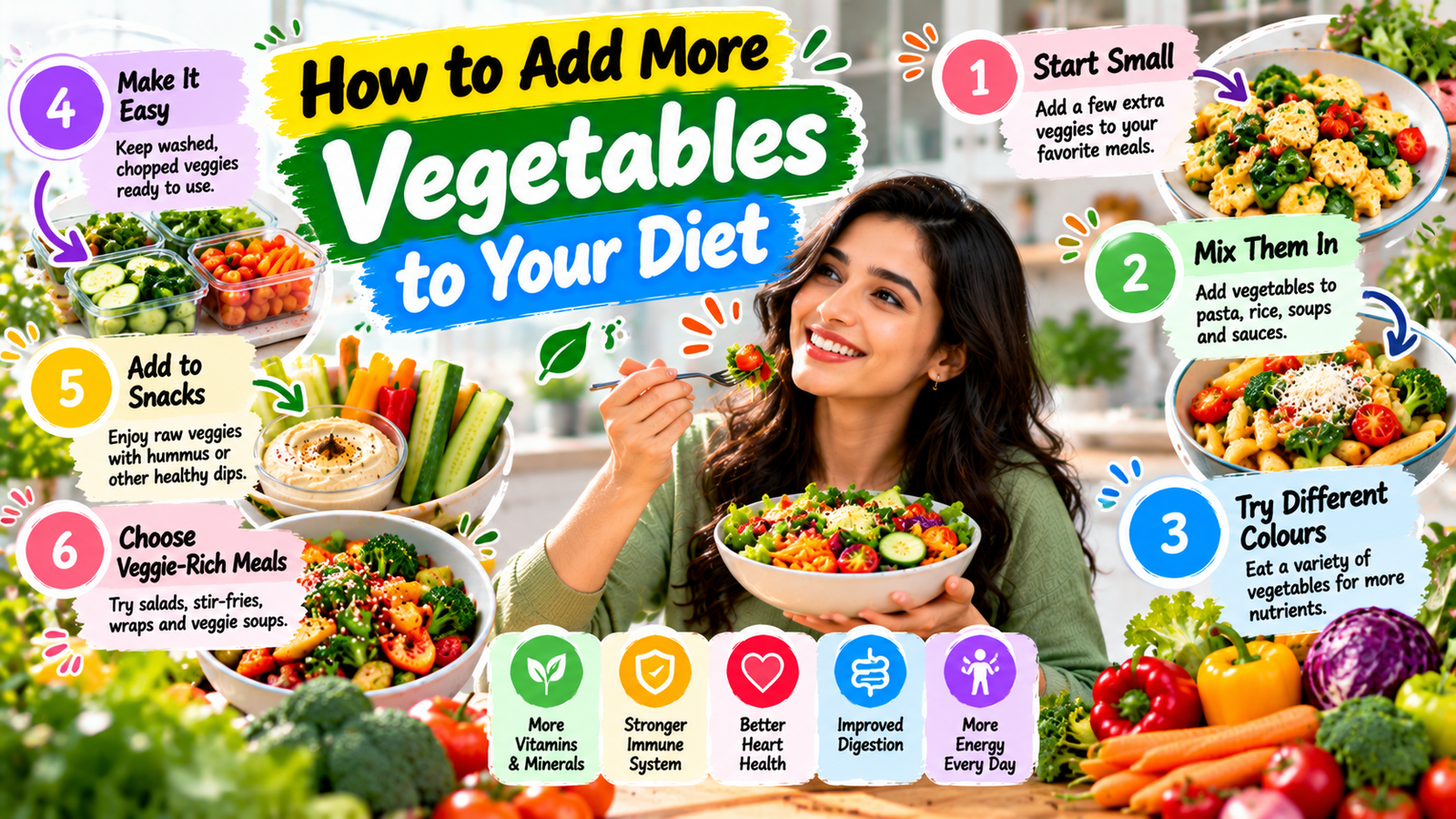
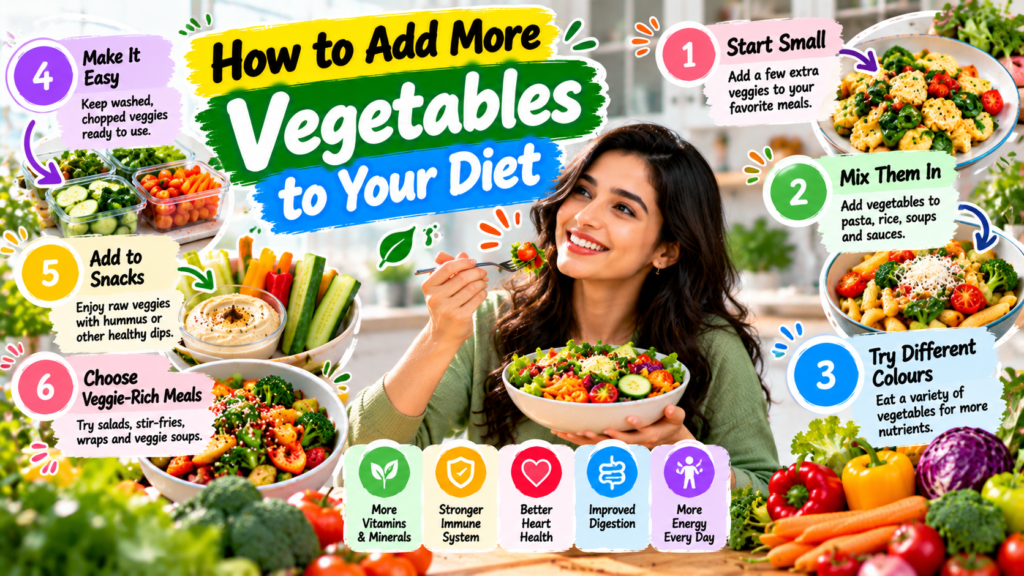
One of the easiest ways to add more vegetables to my diet is to start slowly. Instead of trying to eat a large amount of vegetables immediately, I can simply add one extra serving to a meal.
For example, I can add tomatoes and cucumber to breakfast, a small salad to lunch, or steamed vegetables with dinner. Once this becomes a habit, adding another serving feels much easier.
Small changes are often easier to maintain than major changes. This is especially helpful for people who are trying to develop healthier eating habits for the long term.
Add Vegetables to Breakfast
Breakfast is often overlooked when it comes to vegetables. I can easily add vegetables to my morning meal without making breakfast complicated.
Tomatoes, spinach, mushrooms, onions, and bell peppers can be added to eggs or an omelet. I can also add sliced cucumber or tomatoes alongside toast.
Adding vegetables to breakfast helps me start the day with a more balanced meal and makes it easier to reach my daily vegetable goal.
Make Vegetables Part of Lunch
Lunch is another good opportunity to eat more vegetables. If I am having a sandwich, I can add lettuce, tomatoes, cucumber, spinach, or peppers.
For rice or grain based meals, I can mix in vegetables such as carrots, peas, beans, or bell peppers. A simple vegetable salad can also make lunch more satisfying.
These small additions do not require completely different recipes. They simply make familiar meals more nutritious and varied.
Add Vegetables to Dinner
Dinner is usually the easiest meal for adding vegetables. I can serve roasted, steamed, grilled, or cooked vegetables alongside my main dish.
Vegetables such as carrots, broccoli, cauliflower, spinach, cabbage, zucchini, and green beans can work well with many different meals.
I also like the idea of adding vegetables directly into dishes. For example, vegetables can be mixed into pasta, rice, soups, curries, and homemade sauces.
Keep Frozen Vegetables Available
Fresh vegetables are excellent, but frozen vegetables can also be very convenient. Keeping frozen vegetables in the kitchen means I always have an option available when I do not have time to shop or prepare fresh produce.
Frozen peas, mixed vegetables, spinach, and other options can be quickly added to meals. This can help prevent me from relying too heavily on less nutritious convenience foods.
Prepare Vegetables in Advance
Preparation can make healthy eating much easier. If I wash and cut vegetables ahead of time, they become more convenient to use during busy days.
I can prepare cucumber, carrots, bell peppers, and other vegetables and store them properly in the refrigerator. Having prepared vegetables available makes it easier to create a quick salad or add vegetables to a meal.
Try Different Cooking Methods
Sometimes people do not enjoy vegetables because they have only tried them prepared in one way. I think experimenting with different cooking methods can make a big difference.
Roasting can bring out natural flavors. Steaming keeps vegetables simple and light. Stir frying can add texture and flavor. Grilling can give vegetables a different taste.
Trying different herbs, spices, and seasonings can also make vegetables more enjoyable.
Add Vegetables to Soups and Curries
Soups and curries are excellent meals for increasing vegetable intake. Vegetables can be combined with other ingredients to create a filling and flavorful dish.
Carrots, tomatoes, spinach, peas, beans, cabbage, and other vegetables can be included depending on the recipe.
This is also a practical way to use vegetables that are already available in the kitchen.
Make Healthy Snacks With Vegetables
Vegetables do not have to be limited to main meals. They can also be used as simple snacks.
Carrot sticks, cucumber slices, bell peppers, and tomatoes can be eaten with a suitable dip or enjoyed on their own.
Keeping these foods ready in the refrigerator can make healthy snacking more convenient.
Buy a Variety of Vegetables
Eating the same vegetable every day can become boring. I prefer keeping several different vegetables available so meals stay interesting.
Choosing vegetables with different colors can also make meals look more appealing. Green vegetables, red tomatoes, orange carrots, and other colorful options can create more variety.
Final Thoughts
In my opinion, learning how to add more vegetables to your diet is mostly about making simple choices consistently. I do not need to completely change my meals or follow complicated recipes.
Adding vegetables to breakfast, lunch, and dinner, preparing them in advance, keeping frozen options available, and experimenting with different cooking methods can make healthy eating easier.
The most important thing is consistency. Small improvements made regularly can become lasting healthy eating habits over time.