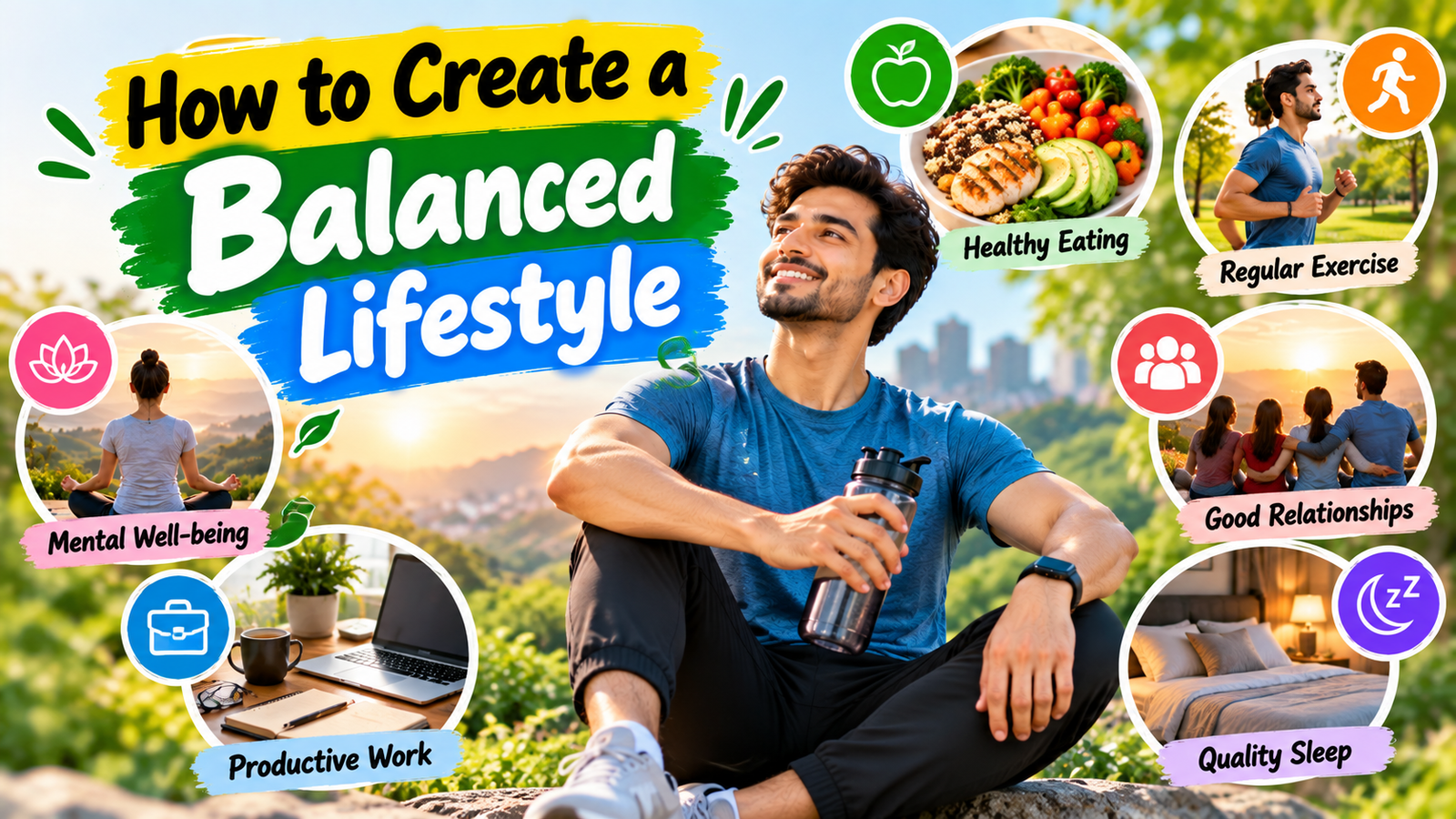
Creating a balanced lifestyle is something I believe most people can achieve without making their lives complicated. We often think that being healthy means following a strict routine, eating a perfect diet, exercising every day, and avoiding everything we enjoy. In reality, balance is about finding a practical way to take care of your body and mind while still enjoying your everyday life.
A balanced lifestyle includes healthy eating, physical activity, enough sleep, emotional wellbeing, relationships, work, and personal time. The important thing is not to make every part of life perfect. Instead, the goal is to create habits that work together and can be maintained for a long time.
Understand What Balance Means
Balance can mean something different for everyone. A student may have different responsibilities from a parent or someone working a full time job.
For me, a balanced lifestyle means giving appropriate attention to different areas of life instead of allowing one responsibility to take over everything.
Work is important, but so is rest. Exercise is important, but recovery matters too. Healthy food is important, but enjoying an occasional favorite meal can also be part of a normal lifestyle.
Understanding this can make healthy living feel much more realistic.
Focus on Nutritious Food
Food is one of the most important parts of a healthy lifestyle. A balanced diet can include vegetables, fruits, whole grains, protein sources, healthy fats, and other nutritious foods.
I prefer thinking about what I can add to my meals rather than only thinking about what I should avoid.
Adding vegetables to lunch, fruit to breakfast, or a nutritious protein source to dinner can improve the overall quality of your meals.
There is no need to make every meal complicated. Simple meals can still be nutritious and satisfying.
Stay Physically Active
Regular physical activity is another major part of a balanced lifestyle.
You do not have to spend hours in a gym. Walking, cycling, swimming, stretching, sports, dancing, and home workouts can all provide ways to stay active.
The best activity is often the one you enjoy because enjoyment makes it easier to continue.
If you have a busy schedule, divide your activity into smaller periods. A short walk in the morning and another walk later in the day can still add movement to your routine.
Give Sleep the Attention It Deserves
Sleep is sometimes the first thing people sacrifice when they become busy.
I believe this is one of the habits worth protecting. Most adults generally need at least seven hours of sleep, although individual needs vary.
Try to maintain a consistent bedtime and wake up time. Create a comfortable sleeping environment and give yourself time to relax before bed.
Better sleep can make it easier to manage other healthy habits during the day.
Take Care of Your Mental Wellbeing
A balanced lifestyle is not only about physical health.
Mental wellbeing deserves regular attention. Make time for activities that help you relax, such as reading, walking, listening to music, spending time with loved ones, or enjoying a hobby.
You do not have to be productive every moment of the day.
If you regularly feel overwhelmed, emotionally exhausted, or unable to manage daily responsibilities, speaking with a qualified professional can be a helpful step.
Make Time for Relationships
Healthy relationships can add an important sense of connection to everyday life.
Make time for family members and friends. It does not always have to involve a large gathering. A phone call, shared meal, short walk, or simple conversation can help maintain relationships.
I think social connection is easy to overlook when life becomes busy, so it is useful to intentionally make time for people who matter.
Set Realistic Goals
Setting unrealistic goals can make healthy living frustrating.
Instead of trying to change your entire lifestyle in one week, choose a few practical goals.
You could start by walking regularly, improving your breakfast, drinking more water, or going to bed at a consistent time.
Once these habits become comfortable, you can introduce another change.
Learn to Manage Stress
Stress cannot always be avoided, but you can develop healthier ways to manage it.
Physical activity, relaxation exercises, hobbies, social connection, and adequate sleep can all be useful parts of stress management.
Try to recognize what causes unnecessary stress in your routine. Sometimes organizing your schedule or setting boundaries can make a significant difference.
Make Room for Enjoyment
I believe enjoyment is an important part of balance.
A healthy lifestyle should not feel like punishment. You should still have time for hobbies, entertainment, favorite foods, travel, social activities, and other things that make life enjoyable.
The goal is moderation rather than complete restriction.
Keep Your Routine Flexible
Life is unpredictable. Your routine may change because of work, family responsibilities, travel, illness, or unexpected events.
Do not think that one disrupted day means you have failed.
A balanced lifestyle should have flexibility. If you cannot complete your usual workout, take a walk. If you cannot prepare your normal meal, make the healthiest practical choice available.
Final Thoughts
Creating a balanced lifestyle is about finding a healthy middle ground. Eat nutritious food, stay active, get enough sleep, manage stress, maintain relationships, and make time for yourself.
From my point of view, balance does not mean doing everything perfectly. It means creating a lifestyle that supports your health while still allowing you to enjoy your life.
Start with small changes and give yourself time. A balanced lifestyle develops gradually through consistent choices.