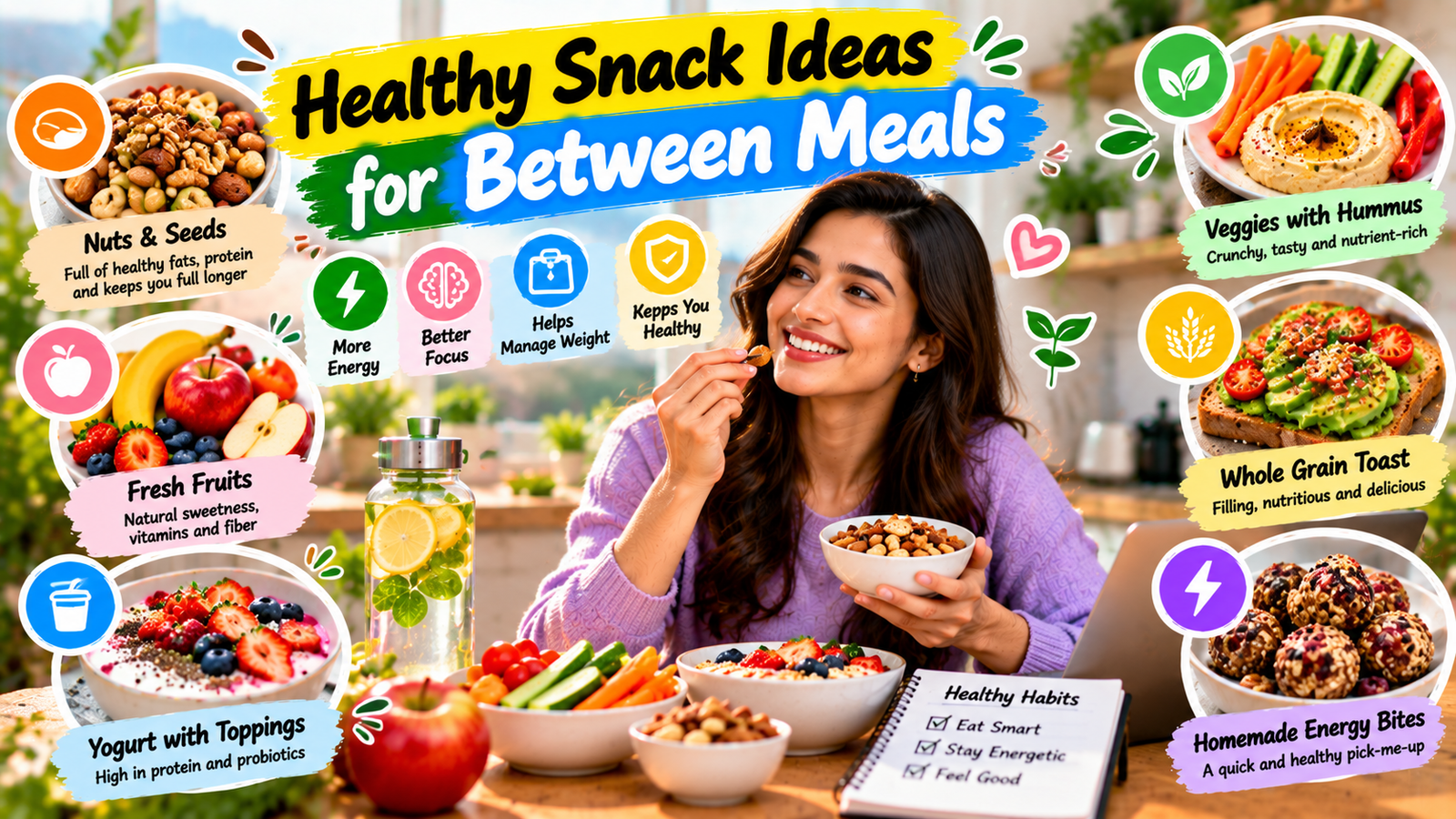
Snacking between meals can be a normal part of many people’s daily eating patterns. The key is choosing snacks that fit your nutritional needs and help you feel satisfied. In my opinion, healthy snacks do not have to be expensive, complicated, or difficult to prepare.
Having nutritious options available can make it easier to avoid relying on highly processed foods whenever hunger appears.
Here are some simple healthy snack ideas that can fit into different lifestyles.
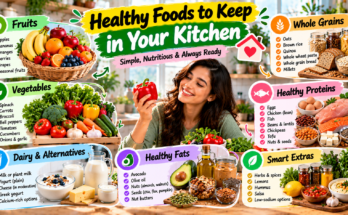
Fresh Fruit
Fruit is one of the easiest snacks.
Apples, bananas, oranges, pears, berries, and other fruits require little preparation.
You can carry many types of fruit with you when going to work, school, or running errands.
Yogurt With Fruit
Yogurt combined with fruit can be a simple snack.
You can add berries, banana, apple pieces, or other fruit.
Choose a yogurt that fits your dietary preferences and check the nutrition information if you want to monitor added sugar.
Nuts and Seeds
Nuts and seeds can be convenient snacks.
Almonds, walnuts, peanuts, pumpkin seeds, and other options can provide protein, fats, and other nutrients.
Because nuts and seeds are energy dense, portion awareness can be useful.
Vegetables With Hummus
Vegetables such as carrots, cucumber, peppers, and celery can be paired with hummus.
This creates a snack with vegetables and a source of protein and fats.
Prepare vegetables in advance and keep them refrigerated for convenience.
Boiled Eggs
Boiled eggs can be prepared ahead of time and kept refrigerated appropriately.
They provide protein and can be combined with fruit or vegetables for a more complete snack.
Whole Grain Toast
Whole grain toast can be topped with peanut butter, avocado, hummus, or another suitable spread.
This can be a quick snack when you want something more filling.
Popcorn
Plain or lightly seasoned popcorn can be a practical snack.
Avoid adding excessive amounts of butter, sugar, or salt.
Preparing popcorn at home can give you more control over the ingredients.
Homemade Smoothies
A small smoothie can be another option between meals.
Combine fruit with yogurt, milk, or another suitable liquid.
You can add vegetables, oats, or seeds depending on your preferences.
Cottage Cheese With Fruit
Cottage cheese can be combined with fruit for a simple snack.
Choose portions according to your hunger and nutritional needs.
Roasted Chickpeas
Roasted chickpeas can provide a crunchy alternative to highly processed snacks.
Season them with herbs or spices and prepare them at home.
Make sure they are stored properly after preparation.
Choose Snacks Based on Hunger
Not everyone needs snacks between meals.
If you are not hungry, you do not necessarily need to eat simply because it is a traditional snack time.
Pay attention to your hunger and fullness signals.
Prepare Snacks in Advance
Preparation can make healthy snacking easier.
Wash fruit, cut vegetables, portion nuts, or prepare boiled eggs ahead of time.
Store foods safely so they are ready when you need them.
Keep Snacks Convenient
The foods you can easily access are often the foods you choose.
Keep nutritious snacks where you can see them.
At work or school, pack snacks in advance so you are not forced to buy whatever is available.
Do Not Fear Occasional Treats
A healthy lifestyle does not require avoiding every food that is considered a treat.
You can enjoy sweets or other favorite foods occasionally.
The overall pattern of your diet matters more than one snack.

Final Thoughts
There are many healthy snack ideas that can fit easily between meals. Fresh fruit, yogurt, nuts, vegetables with hummus, boiled eggs, whole grain toast, popcorn, smoothies, and chickpeas are all practical choices.
From my point of view, the best snack is one that satisfies your hunger and fits into your overall diet.
Keep nutritious options available, pay attention to portions, and choose foods that you genuinely enjoy. With a little preparation, healthy snacking can become an easy part of your everyday routine.